

Relieve Discomfort From Teeth Grinding (Bruxism)
Understanding Bruxism
Teeth grinding, medically known as bruxism, is a common dental condition involving involuntary clenching or grinding of the teeth, often during sleep. While occasional grinding may not cause lasting harm, chronic bruxism can lead to serious oral health issues, including tooth damage, jaw pain, headaches, and sleep disturbances. Over time, the constant friction can wear down tooth enamel, cause sensitivity, and strain the muscles and joints of the jaw (temporomandibular joint or TMJ).
Comprehensive Diagnosis & Personalized Treatment
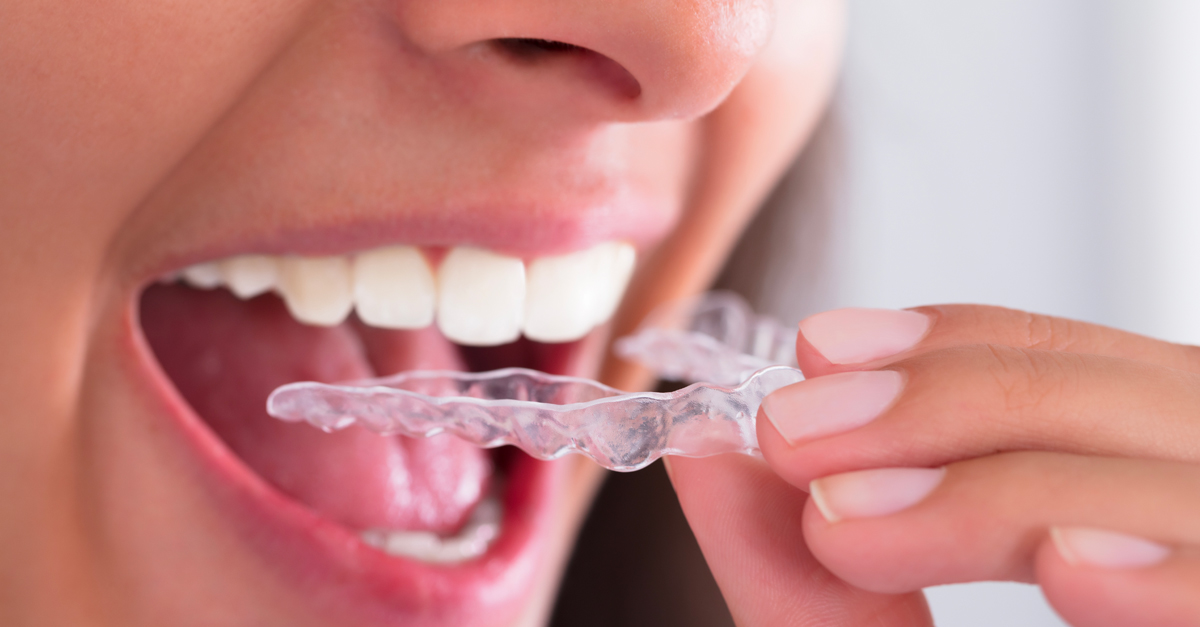
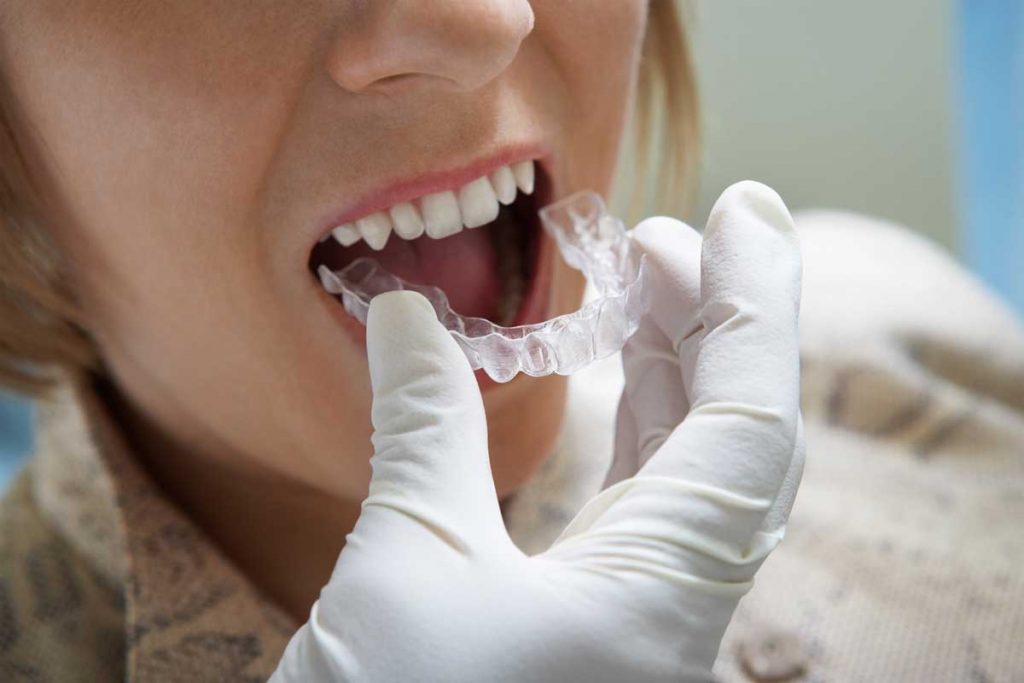
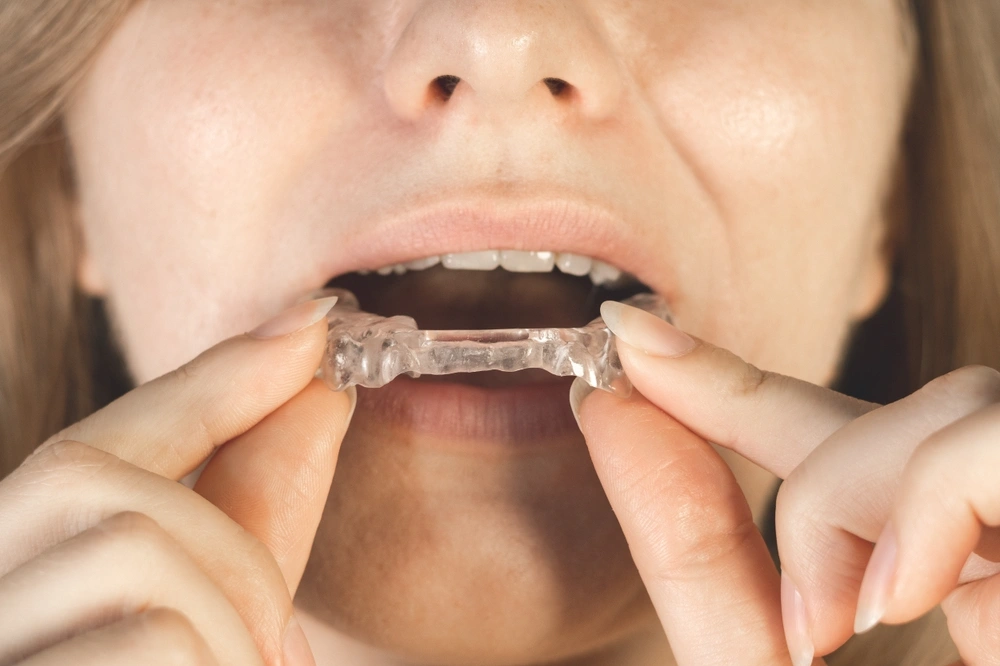
At our clinic, we take a thorough approach to diagnosing and treating bruxism. Our specialists identify underlying causes, which may include stress, anxiety, abnormal bite, missing or crooked teeth, or sleep-related disorders. Through detailed examinations, bite analysis, and sometimes sleep assessments, we design a strategy to protect your teeth and restore comfort. For many patients, a custom-made night guard is the most effective solution. This comfortable, removable oral appliance is worn during sleep to act as a protective barrier between the upper and lower teeth, reducing muscle tension and preventing damage. Unlike generic mouthguards, our custom designs provide superior comfort, durability, and protection.
Addressing Contributing Factors
Beyond protective devices, we also address contributing causes of bruxism. Stress or anxiety may be managed with relaxation techniques, therapy, or specialist referrals. Bite-related issues can be corrected with orthodontic adjustments or restorative treatments to realign teeth and evenly distribute biting forces. In selected cases, Botox injections are used to relax overactive jaw muscles, reducing clenching intensity and alleviating pain.

Long-Term Care & Quality of Life
Bruxism symptoms vary and may include flattened, chipped, or fractured teeth, tooth sensitivity, jaw soreness, frequent headaches, disrupted sleep, or clicking/popping in the jaw. Untreated chronic bruxism can lead to tooth loss, gum recession, and TMJ disorders. Our goal is not just to stop grinding but to promote long-term comfort and protection for your teeth and jaw. With advanced diagnostic tools, expert care, and personalized guidance, we help patients achieve healthier bites, relaxed muscles, restful sleep, and overall improved well-being.
Contact
Get in Touch
FAQs
General Treatment Questions
Bruxism can result from stress, anxiety, abnormal bite alignment, missing or crooked teeth, or sleep-related disorders. Often, multiple factors contribute simultaneously.
Our specialists use a combination of dental examinations, bite analysis, jaw muscle evaluation, and sometimes sleep studies to determine the severity and underlying cause.
Treatment can include custom night guards, bite correction, stress management, muscle relaxation therapies, or Botox injections, depending on the cause and severity
Yes. If left untreated, chronic grinding can lead to worn or fractured teeth, gum recession, TMJ disorders, and chronic jaw pain. Early intervention is key.
